Software Product Development Services

Our software product development services take a product from idea to first release and keep it improving after launch: discovery, design, the build across web and mobile, and the releases that follow. We work for founders, domain experts and software companies, and the roadmap, the code and the accounts stay in your name.

Products for a stock trader, a clinic owner and a telecom provider · You own the roadmap

THE SHORT ANSWER

What software product development services are

Software product development services take a product that will be sold to many customers from idea to first release and keep it improving after launch: discovery, design, engineering across web and mobile, releases and support. It differs from custom software, which is built for one organisation's own use, because a product has a roadmap, paying users and releases that never really stop. Metwaves builds products for founders and domain experts, such as the experienced stock trader behind TradeAlert, with the roadmap, code and accounts in the client's name.

This page

Software product development

Software sold to many customers, improved release after release.

Choose it ifYou will sell it, and it needs a roadmap after launch.

Custom software development

Software built for one organisation's own use.

Choose it ifYour own staff are the users.

Custom software development >

MVP or prototype

The smallest version that tests whether people want it.

Choose it ifThe idea is not yet tested with paying users.

Prototyping and MVPs >

SaaS product

A product sold as a subscription, with tenants, billing and onboarding.

Choose it ifMany businesses will subscribe. It is product development with multi-tenant work added.

Ongoing product team

A team that keeps building a live product.

Choose it ifThe product is live and your own team is too small.

Dedicated development team >

Product takeover

An audit, then fixes to a product another team built.

Choose it ifIt works, but nobody can extend the code safely. We audit before we promise anything.

Application modernization >

WHEN TO CALL US

Signs you need a product development partner

If two or more of these sound familiar, you need a team that owns the build while you own the product.

  • You know the market well but have no technical co-founder.
  • A freelancer built version one, and nobody can extend it safely.
  • Your team cannot ship features as fast as customers ask for them.
  • You need web and mobile versions and a back end that holds up under real use.
  • Investors or a large customer are waiting on a release date.
  • The product works, but nobody owns the roadmap.

SERVICES

Software product development services we provide

Six services, one team, from the first customer interview to the release after next. Each lists what you keep.

Product discovery

Who will pay, what they use today and the smallest first version worth selling.

You keep
Interview notes, a written scope and a clickable outline, whether or not you build with us
Related
Business analysis

UX and UI design with clickable prototypes

Screens your users can click through before anyone writes code, tested with the people you will sell to.

You keep
The prototype and the design system the product grows on
Related
UI and UX design

Product engineering across web, mobile and back end

One team for the web app, the iOS and Android apps and the API behind them, as in the Fiberpipe VoIP product.

You keep
One code repository per app, in your account, with build pipelines
Related
Cross-platform apps

Releases and growth features after launch

A steady release rhythm: onboarding fixes, the features paying customers ask for most, and performance work as usage grows.

You keep
Release notes your support team can use, and the usage data behind each decision
Related
Support and maintenance

Product takeover and rescue

A code, hosting and account audit first, then a costed plan to fix, refactor or rebuild the parts that hold the product back. We do not promise dates before we have read the code.

You keep
The audit, the plan and every account moved into your name
Related
Application modernization

Testing before every release

Automated and manual tests, so a new release does not break what paying customers already rely on.

You keep
The test suite, which runs on every change
Related
QA and testing

Most products use all six over their life. Discovery comes first, whoever builds the rest.

The product lifecycle we cover

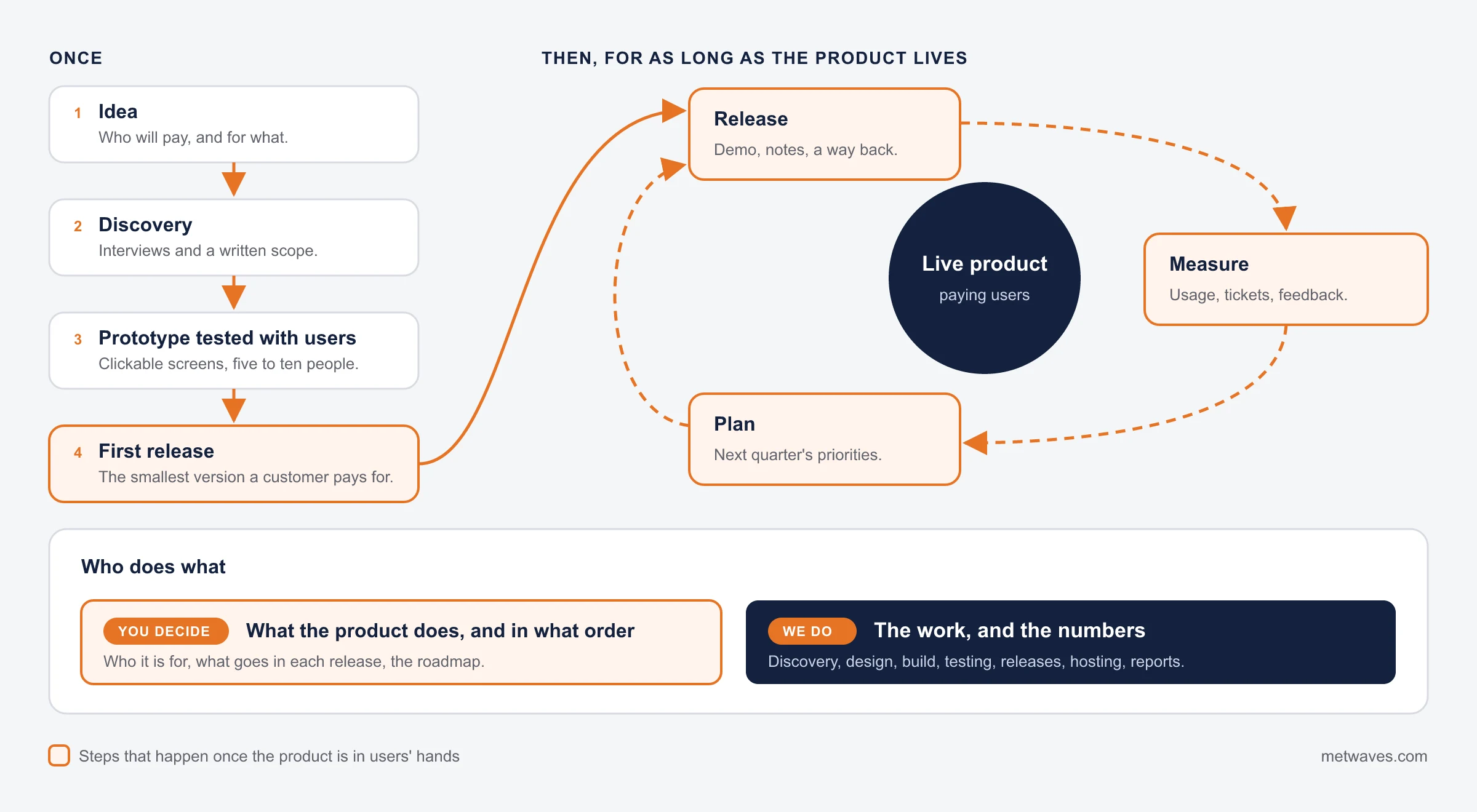
A product is never finished. After the first release it moves through a repeating cycle of release, measure and plan. The diagram shows where you decide and where we do the work.

The software product lifecycle: an idea goes through discovery and a prototype tested with users to a first release, then into a repeating cycle of release, measure and plan. The founder decides what the product does and in what order; Metwaves does the discovery, design, build and release work and brings the numbers.
    You decide what the product does and in what order. We do the discovery, design, build and release work, and bring you the numbers that inform the next decision.

    FOR STARTUPS

    Software product development services for startups

    Release the smallest version a customer will pay for, then let usage decide what comes next. Most products fail from building too much before anyone pays, so we push back on scope at stage 2.

    1. Stage 1

      Idea

      Prove someone will pay.

      What we build
      Discovery notes, a clickable prototype and a scope for the first release.
      What you measure
      How many target customers would pay, and what they would pay for first.
      Prototyping and MVPs >
    2. Stage 2

      First release

      The smallest version a customer pays for.

      What we build
      The core workflow, sign-up, payment if needed, and analytics events from day one.
      What you measure
      Sign-ups, activation and the first support tickets.
    3. Stage 3

      Finding fit

      Let usage decide what comes next.

      What we build
      Onboarding fixes, the features paying users ask for most, and a fixed release rhythm.
      What you measure
      The onboarding funnel, retention, feature use and the topics in support tickets.
    4. Stage 4

      Scaling

      More users, more customers, more team.

      What we build
      Performance work, multi-tenant and billing changes, the integrations customers ask for, and a larger team.
      What you measure
      Response times under load, cost per customer and how often you release.
      IT staff augmentation >

    Analytics events go in at the first release, so stage 3 decisions rest on what customers do, not on guesses.

    OUR WORK

    Products we built for domain experts, not software companies

    Each was commissioned by someone who knew the market and needed a team to turn that knowledge into a product. Figures are from the published case studies.

    Fintech

    TradeAlert

    Commissioned by a stock trader with more than ten years in the markets

    A web platform for real-time stock and crypto alerts, custom watchlists and MetaTrader integration, designed around the traders who would use it.

    10,000concurrent users the platform handled, with 85% positive feedback from beta testers
    • React
    • Node.js
    • Express
    • MongoDB
    • AWS
    Read the case study >
    Healthcare

    Telemeds+

    Commissioned by an emergency medicine physician who owns two urgent care clinics

    Patient, doctor and administrator apps in one telemedicine product: booking, video visits, e-prescribing and billing. He came with an idea, not a brief.

    40%less clinic workload as scheduling and routine admin were automated
    • .NET
    • Azure
    • Xamarin
    • SQL Server
    Read the case study >
    Telecom

    Fiberpipe VoIP

    Built for a fiber internet and VoIP provider to sell to its business clients

    Voice and video calls, messaging and call management, with SRTP and ZRTP encryption, on every device the provider's clients use.

    5platforms from one product: web, Android, iOS, Windows and macOS
    • Angular
    • ASP.NET Core
    • Kotlin
    • Swift
    • PostgreSQL
    Read the case study >
    AFTER LAUNCHBioBuild recommendation engine Live since January 2025 on more than six projects, retrained every quarter on real outcomes. Architecture and construction, Sweden.

    Tell us who will pay for the product and why. We will tell you what the first release should include, and what it should not.

    How we build products

    Five steps. The last two repeat for as long as the product is live, and you see working software from step 3.

    1. 1

      Discovery

      We talk to your target customers, look at what they use today and agree the smallest first version someone would pay for. You get a written scope and a clickable outline.

    2. 2

      Prototype tested with users

      A clickable prototype put in front of five to ten people you would sell to. Their reactions change the scope before any code exists.

    3. 3

      First release

      We build the core workflow across web, mobile and back end, demo it every sprint and ship it to real users.

    4. 4

      Release cycles

      A fixed rhythm of releases, each with a demo, release notes and a way to roll back if something goes wrong.

    5. 5

      Measure and plan

      Usage data, support tickets and customer feedback go into a review with you, and you decide the next quarter's priorities.

    What a product team includes, and who decides

    You own the decisions; we staff the work. Our Telemeds+ team was a project manager, a business analyst, a UI designer, full-stack developers and a QA engineer.

    RoleWhat they doWho provides it
    Product ownerDecides what goes into each release and in what orderYou. We bring options, estimates and trade-offs to every decision
    Project manager and business analystTurn decisions into a scope, keep the release plan and run the demosMetwaves
    UI designerPrototypes, screens and the design system the product grows onMetwaves
    DevelopersWeb, mobile and back-end engineeringMetwaves
    QA engineerTests every release before your customers see itMetwaves
    DevOpsHosting, automated releases, monitoring and backupsMetwaves, in your cloud account

    What software product development costs, by stage

    You pay for discovery, the first release and then a monthly team, and each has its own price. We do not publish figures, because platforms and integrations change them most.

    StageWhat you getHow it is pricedWhat moves the cost
    DiscoveryInterviews, a written scope and a clickable outlineFixed price or time and materials, agreed before it startsNumber of user types and how much is unknown
    PrototypeClickable screens tested with target usersPart of discovery, or quoted separatelyNumber of screens and test rounds
    First releaseThe core workflow live, with analyticsFixed scope, quoted after discoveryPlatforms (web, iOS, Android), integrations, real-time data, payments
    Monthly product teamReleases, support and growth featuresMonthly, by team sizeRelease rhythm, team size and support hours

    Ways to work with us

    Every engagement starts with a call about who will pay for the product and why. Most products move from a fixed-price first release to a monthly team.

    Discovery, then a fixed-scope first release

    We agree the scope after discovery and quote it as a fixed price, so you know the cost of getting to market.

    Outsourced software product development services

    We run the whole product team, from design to DevOps, and you own the roadmap, the code and the accounts. Priced monthly by team size.

    Time and materials

    For a product whose priorities change week to week. You pay for the hours worked and change course freely.

    Hybrid

    Discovery on time and materials while the unknowns are large, then fixed-price phases once the scope is clear.

    Technologies in the products we have shipped

    Every name below comes from TradeAlert, Telemeds+, the VoIP product or BioBuild. We choose per product, with your future hiring in mind.

    React
    React
    Angular
    Angular
    Swift
    Swift
    Kotlin
    Kotlin
    Xamarin, past work
    Xamarin, past work
    Node.js
    Node.js
    Express
    Express
    ASP.NET Core
    ASP.NET Core
    .NET
    .NET
    Python
    Python
    MongoDB
    MongoDB
    SQL Server
    SQL Server
    TensorFlow
    TensorFlow
    AWS
    AWS
    Microsoft Azure
    Microsoft Azure

    How to choose a software product development company

    Six questions to ask any product development company, us included, with the answer to hope for and the one to walk away from.

    Question to askA good answerA warning sign
    What happened to your last three products after launch?Names, what is still live, and what they would do differentlySilence, or only launch dates
    Who owns the roadmap, code and store accounts?You do, from the first commit and the first App Store listingAccounts in the agency's name “for convenience”
    When did you last push back on a client's scope?A real example, with what was cut and why“We build whatever you need”
    How often do you release, and how do you measure a release?A fixed rhythm and named measures, such as sign-ups, activation or support ticketsReleases “when it is ready”
    Will the same people still be on it in year two?Named people who stay after launchA senior team in the pitch and a new one after signing
    Where do you not fit?A clear limit. Ours: consumer apps that need large-scale growth marketing, and hardware products“We can do anything”

    Related services

    Products draw on design, mobile and team services as they grow.

    MVP and prototypingTest the idea with users before the first release.
    Custom softwareSoftware built for one organisation's own use.
    Cross-platform appsOne codebase for the iOS and Android versions.
    Dedicated teamA team that stays with a live product.
    UI and UX designPrototypes and the design system a product grows on.

    QUESTIONS & ANSWERS

    Software product development: frequently asked questions

    Straight answers on cost, the first release, ownership and life after launch. If you don't see an answer to your question, you can send us a message from our contact form.

    You pay for discovery, the first release and then a monthly product team, and each is priced separately. What moves the cost most is the number of platforms, integrations, real-time data and compliance needs. We agree how discovery is priced before it starts, and quote the first release after it.

    It depends on the scope agreed in discovery. We keep the first release to the smallest version a customer would pay for, so it reaches real users as early as possible, and we give you a date after discovery.

    You do: the code, designs, roadmap, cloud accounts and app store accounts, all in your name.

    Yes. TradeAlert was commissioned by an experienced stock trader and Telemeds+ by an emergency medicine physician who owns two clinics. Neither came from software.

    Releases continue on a fixed rhythm, with support for live users and a regular review of usage and feedback where you set the next priorities. Our BioBuild recommendation engine has been in use since January 2025 on more than six projects.

    Yes. We audit the code, hosting and accounts first, then propose what to fix, refactor or rebuild, with costs.

    A product is sold to many customers and keeps a roadmap; custom software serves one organisation's own staff. The table above sets out which fits.

    We list every feature you want, then ask of each one: would a customer refuse to pay without it? Only those go in. Everything else goes on the roadmap, where usage data from the first release will rank it. This is where we push back hardest, because extra scope delays the moment you learn whether the product sells.

    Yes. One team builds the web app, the iOS and Android apps and the API they share, so features reach every platform in the same release. The Fiberpipe VoIP product runs on web, Android, iOS, Windows and macOS. See cross-platform app development for when one shared codebase is the better choice.

    Yes. Everything you send through our contact form is kept confidential and protected by NDA, and the code and documents we produce belong to you.

    Ask what happened to their last three products after launch, and who owns the roadmap, code and accounts. The partner questions above go further.

    INSIGHTS & NEWS

    Discover IT Industry Insights and Technology Trends

    Nikit Nandan    Nikit Nandan November 17, 2026
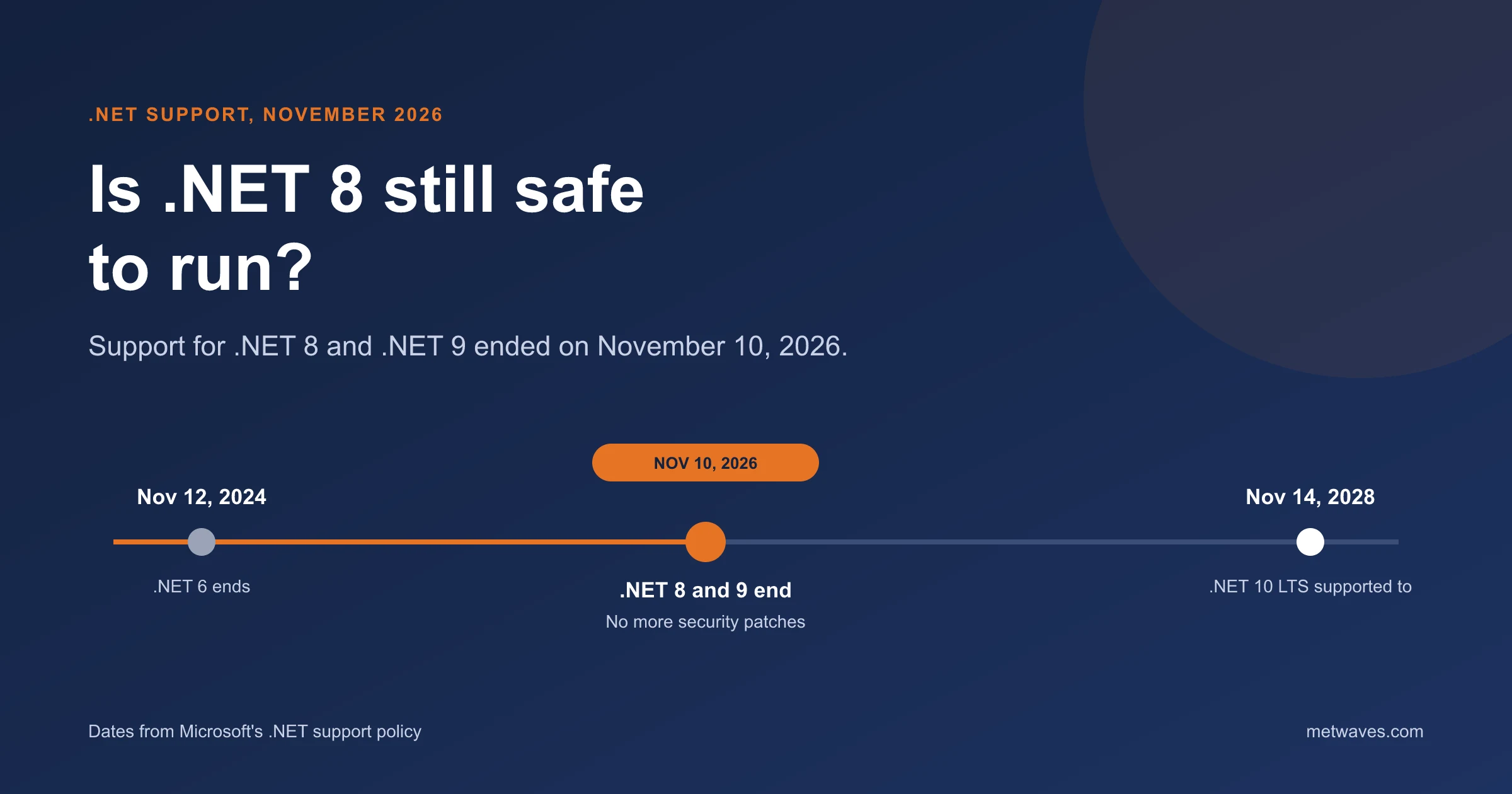
    Is .NET 8 Still Safe to Run After November 2026?

    Support for .NET 8 and .NET 9 ended on November 10, 2026. What that means for apps still on them, how risky it is, and how to plan the move to .NET 10.

    Learn More >
    Microsoft Technologies 5 min read
    Nikit Nandan    Nikit Nandan November 12, 2026
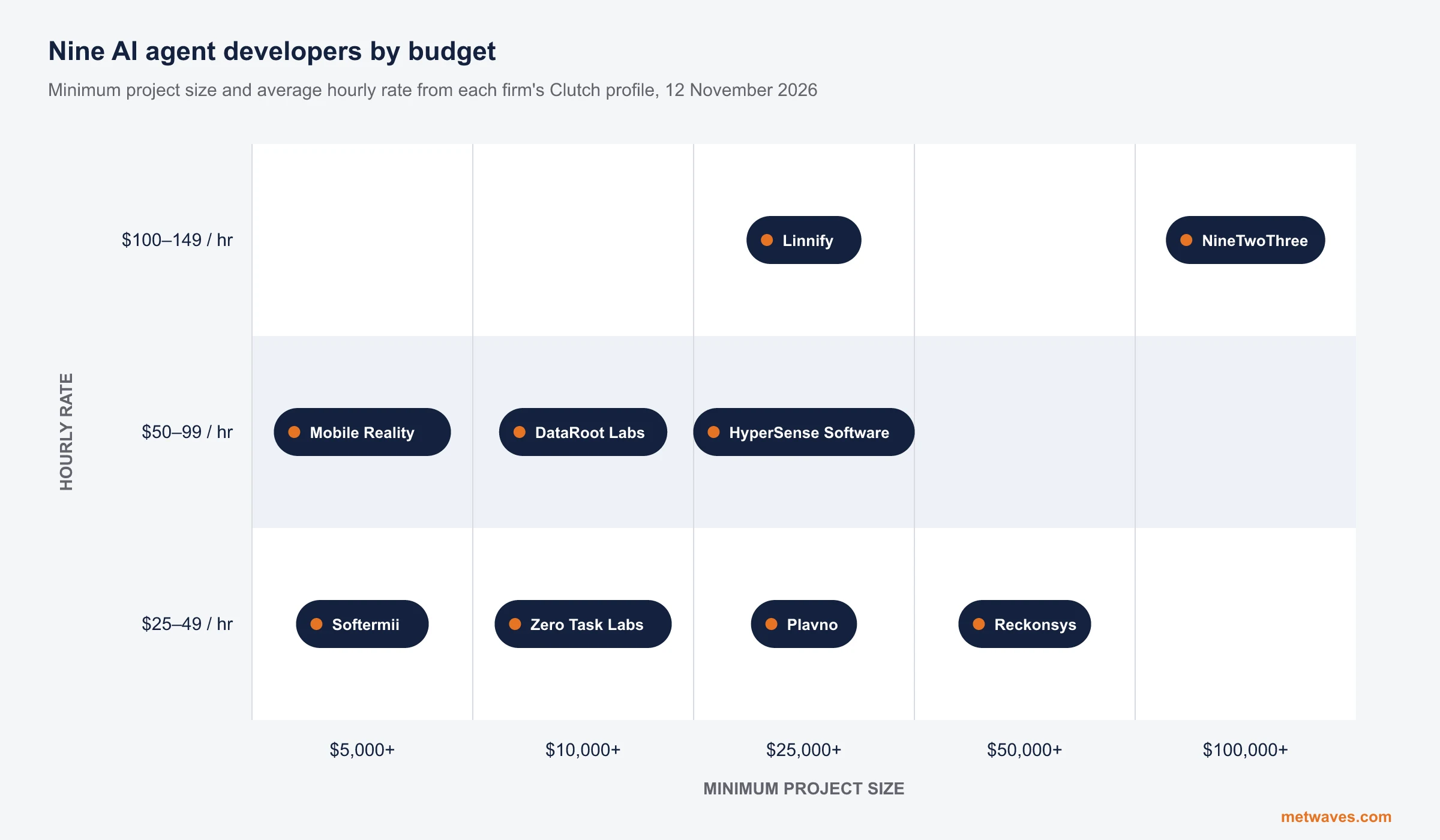
    Top AI agent development companies for small and mid-sized businesses (2026)

    Nine AI agent development firms a small or mid-sized business can shortlist, with Clutch figures, minimum budgets and the weaknesses their own clients name. Published by Metwaves, which is not ranked.

    Learn More >
    AI Development 9 min read
    Nikit Nandan    Nikit Nandan November 12, 2026
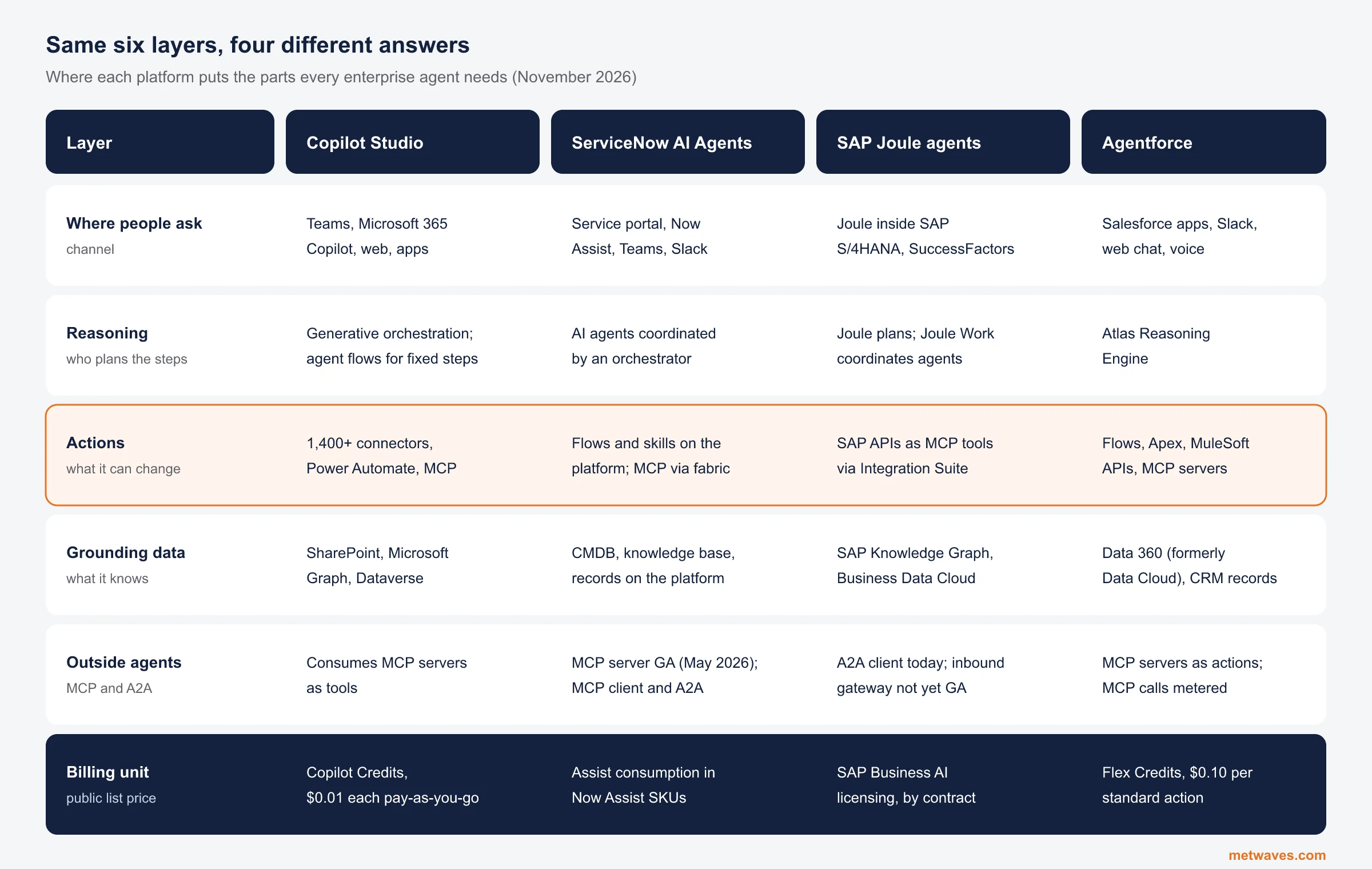
    Enterprise AI Agent Platforms Compared (2026)

    An architecture review of the four big enterprise AI agent platforms: where each one reasons, acts, finds its data and connects to outside agents, what it costs, and when a custom build is the better choice.

    Learn More >
    AI Development 9 min read

    Let’s build your idea!

    Let us help you with free analysis & estimate. Our product expert will contact you within 12 hours.

     All your information is kept confidential and protected by NDA.