Real Estate Software Development Company

A real estate software development company for brokerages, property managers, developers and proptech teams in the US, UK, Canada and Australia. We build listing sites and apps, tenant and owner portals, lease and invoice automation and the integrations behind them. We have not shipped real estate software yet, so this page shows how we would build yours and the work that transfers.

Document automation, building-model integration and real-time alerts, built for other industries

THE REAL ESTATE INDUSTRY

What the real estate industry is, and how it earns

The real estate industry is everyone who sells, lets, manages, finances or develops property: brokerages and estate agents, property managers and letting agents, developers and builders, commercial landlords, and the proptech companies that sell software to all of them. A real estate software development company works in the space between those businesses and the data they depend on.

Most of the money moves at the transaction. Agents earn commission when a property sells or lets, property managers earn a share of the rent, and developers earn when units sell. That makes the listing, the lead and the tenancy the three things every system revolves around, and makes speed matter: the agent who answers a buyer first usually gets the viewing.

Under it all sits data that nobody owns alone. Listings come from a multiple listing service in the US and Canada and from portals in the UK and Australia, each under its own licence. Property management, accounting and CRM products hold the rest. Real estate software lives or dies on getting that data in and out cleanly, not on its screens.

4.06 millionexisting homes sold in the US in 2025, the same total as 2024National Association of Realtors, January 2026
$414,400median US existing-home price in 2025National Association of Realtors, January 2026
470,314homes sold through Canadian MLS Systems in 2025, down 1.9%Canadian Real Estate Association, January 2026

Brokerages and agents

Residential sales and lettings, from single offices to franchises

  • Listing sites
  • CRM
  • Lead routing

Property managers

Residential and commercial management, lettings, HOAs

  • Tenant portals
  • Maintenance
  • Owner statements

Developers and builders

New homes, build-to-rent and mixed-use schemes

  • Sales portals
  • Estimating
  • Handover

Commercial real estate

Owners, investors and their advisers

  • Leases
  • Portfolio data
  • Reporting

Proptech

Start-ups selling software and services to the rest

  • SaaS products
  • Data products
  • Marketplaces

CHALLENGES

The challenges real estate businesses face

Six problems brokerages and property managers deal with every week, and where software makes a real difference.

01

Listings that lag the feed

What it looks like

A price change or a sold listing shows on the portal hours before the brokerage's own site, so buyers call about homes that are gone.

Where software helps

A feed sync that handles changes and deletions as they arrive, with an alert when the feed stops.

02

Leads scattered across channels

What it looks like

Portal enquiries, website forms, calls and social messages land in different inboxes, and nobody knows who answered whom.

Where software helps

One lead inbox routed to the right agent, with response times tracked and consent recorded.

03

Rules on what a listing must say

What it looks like

UK agents must not leave out material information. In the US, ads cannot show a preference about who should live there. In New South Wales, residential ads must show a price or range from November 17, 2026.

Where software helps

Listing templates with required fields, wording checks before publishing, and a record of every change.

04

Maintenance by phone and email

What it looks like

Tenants report a leak by text, email and phone, and the property manager rebuilds the history from three places.

Where software helps

A tenant portal or app for requests and photos, routed to approved vendors, with status the tenant can see.

05

Leases and invoices keyed by hand

What it looks like

Lease terms, rent reviews, supplier invoices and maintenance bills are typed into the property system and the accounts.

Where software helps

Document intake that reads, checks and posts, with a person reviewing the exceptions.

06

Owners waiting on reports

What it looks like

Owners and investors want live numbers, but the monthly statement is assembled by hand from the property system and spreadsheets.

Where software helps

Reporting on the property system's own data, refreshed on a schedule and shared through a portal.

How AI can help real estate, and where it needs care

AI is most useful where the paperwork is heavy and the decision stays with a person. Each use shows who stays in charge and which rule to watch.

AI useWhat it doesWhere a person stays in chargeRule to watch
Listing description draftsWrites the description from the property's facts and photosThe agent edits and approves every listingUS fair housing ad rules; UK material information duties
Lead replies and viewing bookingAnswers portal and website enquiries and offers viewing slotsAgents own every conversation beyond schedulingPrivacy law and marketing consent
Lease and invoice readingReads leases, invoices and bills into the property system with checksStaff confirm each exception before it is savedTenant and owner personal data under privacy law
Maintenance triageSorts tenant requests by type and urgency and routes them to vendorsA property manager handles emergencies and approves spendTenancy law sets repair duties
Tenant screening summariesSummarises an application against the landlord's written criteriaA person makes every decisionUS Fair Housing Act and state laws apply, whatever tool is used
Automated value estimatesEstimates a value from comparable salesAn agent or appraiser signs offUS lenders using AVMs must meet the quality control rule in force since October 1, 2025

US rules real estate software has to respect

Regulators license the agent and the brokerage, not the software. These five rules decide what a US listing site, CRM or closing tool must do, and their status differs.

RuleWhat it requiresWhat it means for the softwareStatus today
Fair Housing Act, 42 U.S.C. 3604(c)No notice, statement or advertisement that indicates a preference, limitation or discrimination based on race, color, religion, sex, handicap, familial status or national origin.Wording checks on listings and ads; ad targeting that does not exclude protected groups; records of what ran.In force. HUD withdrew its 2024 guidance on advertising through digital platforms, effective September 17, 2025; the Act is unchanged.
RESPA Section 8 (Regulation X, 12 CFR 1024.14)No fee, kickback or thing of value for referring settlement service business on a federally related mortgage loan.Review lead-sharing, partner and referral features with counsel before launch.In force, enforced by the CFPB.
MLS rules and IDX licencesDisplays must be under the participant's control, identify the listing brokerage, hide listings sellers have withheld, and refresh on the MLS's schedule. Since August 17, 2024, offers of buyer-agent compensation may not appear on the MLS, and buyers sign a written agreement before touring.Feed sync with deletions, brokerage attribution, field rules per MLS, and no compensation fields on public pages.Set by each MLS, following NAR policy.
State licence lawEach state licenses agents and brokerages and sets its own advertising rules.Brokerage and licence details on listing pages and ads in the form your state requires.State by state.
FinCEN Residential Real Estate RuleWould require reports on non-financed transfers of residential property to entities and trusts, for closings from March 1, 2026.Data fields for closing and title software, ready if the rule returns.Vacated by a federal court in Texas on March 19, 2026. FinCEN has appealed; no reports are due while the order stands.

What changed for real estate software in the last two years

Six changes across the four markets that already affect listing sites, CRMs and closing tools.

  1. 17 Aug 2024

    NAR practice changes

    No offers of buyer-agent compensation on the MLS; written buyer agreements before touring.

  2. 6 Apr 2025

    UK consumer law moves to the DMCC Act

    Material information rules now sit in the 2024 Act, and the old trading standards guidance was withdrawn.

  3. 17 Sep 2025

    HUD withdraws ad guidance

    The 2024 guidance on digital platform advertising is withdrawn; the Fair Housing Act still applies.

  4. 19 Mar 2026

    FinCEN rule vacated

    A federal court in Texas vacates the residential real estate reporting rule; FinCEN appeals.

  5. 1 Jul 2026

    AUSTRAC covers real estate

    Australian real estate services take on AML/CTF obligations.

  6. 17 Nov 2026

    NSW price rules

    Residential ads in New South Wales must show a price or range; online ads updated within one business day.

OTHER MARKETS

Real estate rules in the UK, Canada and Australia, next to the US

Every market regulates what a listing says, who may see the data and how agents check their clients. The details differ more than in most industries.

RequirementUSUnited StatesUKUnited KingdomCACanadaAUAustralia
Where listings come fromMLSs, through the RESO Web API, under IDX or VOW rulesNo MLS; agents send listings to portals such as Rightmove through their software provider's feedMLS Systems; CREA's Data Distribution Facility shares listings with members' websites, with permissionNo MLS; agencies publish to portals such as realestate.com.au and Domain
What a listing must sayFair Housing Act on advertising; state licence rules on adsThe Digital Markets, Competition and Consumers Act 2024 since April 6, 2025: leaving out material information is an unfair practiceProvincial rules, set by regulators such as RECO in OntarioState agent laws; in New South Wales, a price or range in residential ads from November 17, 2026
Anti-money launderingFinCEN's residential rule was vacated in March 2026; appeal pendingMoney Laundering Regulations 2017: estate agency businesses register with HMRC and check both buyer and sellerFINTRAC: brokers, sales representatives and developers keep a compliance program, verify identity, report and keep recordsAML/CTF Act: real estate services covered since July 1, 2026; enrol with AUSTRAC by July 29, 2026
LettingsState and local landlord-tenant lawsLetting agents register with HMRC for AML when monthly rent is €10,000 or moreProvincial residential tenancy lawsState residential tenancy laws
Privacy lawState privacy laws such as California'sUK GDPR and the Data Protection Act 2018PIPEDA, plus provincial laws in Quebec, Alberta and British ColumbiaPrivacy Act 1988 and the Australian Privacy Principles
Who to askState real estate commissions, HUD and the CFPBThe CMA and National Trading StandardsProvincial regulators such as RECO; FINTRACState fair trading agencies such as NSW Fair Trading; AUSTRAC

A summary for planning, not legal advice. Confirm the details for your business with your adviser or regulator.

That is the industry. Here is where Metwaves fits: brokerages, property managers and proptech teams that need their data moving cleanly between feeds, systems and people.

LISTING DATA

Where listing data comes from, market by market

Real estate software lives or dies on data access. Before any design, we confirm where your listings come from and the rules that travel with them.

US
United StatesMultiple listing services

Arrives byThe RESO Web API, a standard built on OData, or an older feed from your MLS

Rules that come with it

  • An IDX or VOW agreement with each MLS
  • The listing brokerage shown on every listing
  • Listings sellers have withheld kept off the site
  • Sellers can switch off comments and automated value estimates on their listing

Watch forEach MLS has its own rules and fields. Budget for one integration per MLS, not one for the country.

UK
United KingdomAgents and portals

Arrives byYour CRM or software provider, which also feeds portals such as Rightmove

Rules that come with it

  • No MLS: the agent owns the listing data
  • Material information on every listing
  • Portal terms on how listings are shown

Watch forYou may hold the data, but every portal still needs its own feed and its own format.

CA
CanadaMLS Systems and CREA DDF

Arrives byCREA's Data Distribution Facility or your local board's feed

Rules that come with it

  • Permission based: brokerages choose where listings go
  • Only the fields boards provide for REALTOR.ca
  • Board and CREA trademark rules

Watch forCoverage differs by board and province, so check that the listings you need are in the feed.

AU
AustraliaAgencies and portals

Arrives byYour agency CRM, which publishes to portals such as realestate.com.au and Domain

Rules that come with it

  • No MLS: the agency owns the listing data
  • State rules on price and underquoting
  • Portal terms on how listings are shown

Watch forIn New South Wales, online ads must be updated within one business day when the price no longer complies.

Portals and providers named are examples, not partners. We build under your own data agreements.

Real estate app development: what we would build

Six kinds of system, each linked to the service page that explains how we build it. None of these is a shipped real estate project.

Listing websites and apps

Real estate app development for brokerages: fast search and maps on top of your MLS or portal feed, saved searches with alerts, viewing requests and lead capture, on the web and on phones.

Usually bought by
Brokerages and agent teams
  • IDX or RESO feeds
  • Map search
  • Saved searches
  • Alerts
  • Lead capture

Web application development >

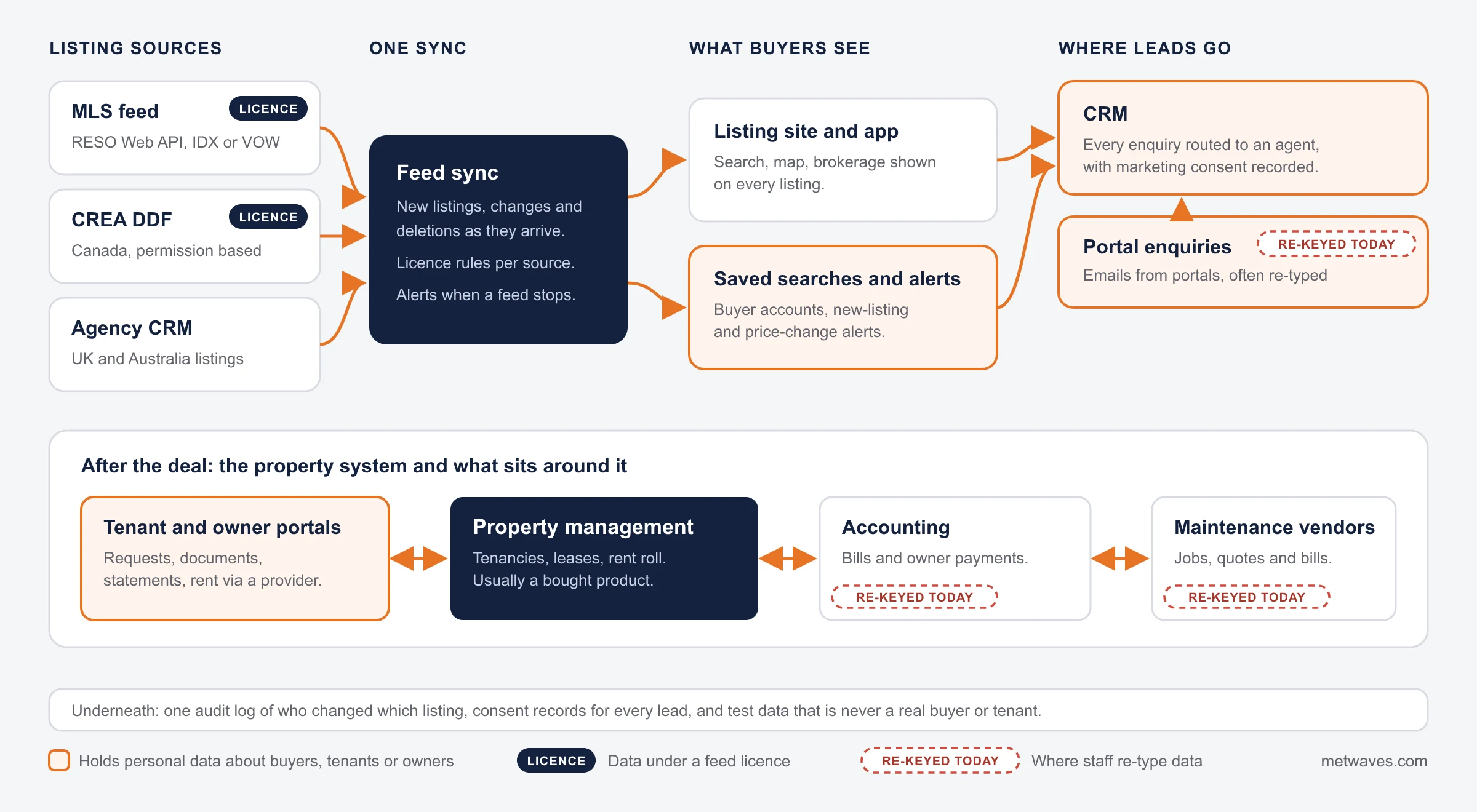
How listing and property data moves

The map we draw before quoting: every feed, system and person, and where data is re-typed today.

How listing and property data moves: MLS, portal and CREA feeds arrive under licence into a feed sync that handles changes and deletions; the listing site and app serve searches and alerts; leads go to the CRM; the property management system exchanges data with accounting, tenant and owner portals and maintenance vendors; dashed orange marks show where staff re-key data today
  • Personal data
  • No personal data
Orange boxes hold personal data about buyers, tenants or owners. The dashed marks are where data is often re-typed by hand.

WORK THAT TRANSFERS

Proptech software development: work from other industries

Three projects from other industries, each labelled with the industry it was built for, and where the same approach applies to real estate.

We haven't shipped real estate software yet. Here is how we would approach yours, and the work that transfers.

Built for: Finance operations, Australia

An invoice agent posting to SAP Business One

Reads about 1,000 supplier documents a month, checks vendor, purchase order, totals, GST and duplicates, posts clean entries and sends exceptions to a review queue.

Where it applies in real estate

Leases, supplier invoices and maintenance bills read and checked into the property and accounting systems.

  • ~1,000documents a month
  • ~80%less manual data entry

Read the invoice agent case study >

Built for: Construction technology, US

Quantities from building models into estimating

Reads IFC models from design tools, calculates quantities, maps each element to an estimating item and cost code, and loads them into the estimating and ERP systems.

Where it applies in real estate

Developers and construction-side proptech: estimates from the model, re-run when the design changes.

  • Days to hourstakeoff time
  • 8 to 12 weeksto go live

Read the BIM case study >

Built for: Fintech, trading

TradeAlert: real-time stock and crypto alerts

Fires price and volume alerts to traders by app, SMS and email, with caching and automatic scaling on AWS for the moments everyone logs in.

Where it applies in real estate

New-listing and price-change alerts to saved searches, fast when a hot listing goes live.

  • 10,000concurrent users handled, at most

Read the TradeAlert case study >

Build, buy or extend

Most real estate businesses should buy their core system and build around it.

If youWhat usually fitsWhy
You manage standard residential lettings or an HOAA property management productMature products cover the flows. We will say so on the first call.
Your brokerage wants listings on its own siteAn IDX or portal feed and a fast siteNot a custom MLS. The licence decides what you can show.
The property system fits, but staff re-key leases and invoicesDocument automation and integrationKeep the product; remove the typing.
Owners want live reportingReporting on the system's own dataNo new system, just the numbers on time.
Your model is the productCustom proptech, starting with a first releaseProve the idea with real users before building everything.

What real estate software costs, and what moves the price

Data licences and integrations, not page count, set the cost of real estate software.

high impact

Listing data access

Each MLS or portal feed is its own agreement, format and integration, and some charge fees.

high impact

Systems to connect

Property management, accounting, CRM and vendor systems each add an integration.

medium impact

Map and search

Map search, drawing areas and saved-search alerts take more than a list of results.

medium impact

Payments and deposits

Rent and deposit payments go through a provider, with its own fees and rules.

medium impact

Document volume

Lease and invoice layouts and the checks each needs set the size of automation.

low impact

Web, mobile or both

Native apps add design, testing and store review on top of a web app.

Feed, portal and payment provider fees are listed separately.

How we would start

We start from one real listing or tenancy, not from a feature list.

  1. 1

    Walk one deal

    We follow one listing or one tenancy from start to end, through every system it touches.

  2. 2

    List the data

    Every feed, licence and system, and who owns each one.

  3. 3

    Discovery

    A costed plan for the first release, with the integrations in order.

  4. 4

    Pilot

    One office, one building or one MLS first, with real users.

  5. 5

    Roll out

    Office by office, building by building.

  6. 6

    Support

    Feed changes, new portals and the next feature, or a handover to your team.

How to choose a real estate software development company

Ask these five questions of anyone you shortlist, us included. Where we do not win: real estate history.

Question to askA good answerA warning sign
Which MLS, portal or property systems have you integrated?Named systems and projects. Ours: none in real estate yet.“All of them.”
Who holds the data licence?You do. We build under your agreement.The vendor licenses the feed to you.
What happens when the feed stops or sends bad data?Alerts, retries and stale listings hidden.“Feeds don't really fail.”
Would you tell us to buy a product instead?Yes, for standard lettings and management.Every answer is a custom build.
Who owns the code and the data?You do, from day one.Hosting and code under the vendor's account.

Related services

Engagement models and technology choices are on each service page.

Web application developmentListing sites, portals and admin tools.
Cross-platform appsTenant and buyer apps for iOS and Android.
Software integrationProperty, accounting and CRM systems.
AI agent developmentLease and invoice automation.
Software product developmentProptech products from first release.

QUESTIONS & ANSWERS

Real estate software development: frequently asked questions

Straight answers on MLS data, building or buying, AI, AML and cost. If you don't see an answer to your question, you can send us a message from our contact form.

Data licences and integrations, not page count, set most of the cost: how many MLS or portal feeds, how many systems to connect, map search, payments and document volume. We price after a short discovery and list feed and provider fees separately.

Yes, through an IDX or VOW feed, usually over the RESO Web API, under your MLS's licence and display rules. The licence is yours. We have not yet integrated a named MLS for a client, so we confirm each MLS's rules and fields in discovery.

Usually buy. Property management products cover standard residential lettings and HOA management well. Build around them: integrations, document automation, portals and reporting for the part the product does not fit.

Not yet. We have built document automation for finance operations, building-model integrations for construction technology and a real-time alerts platform for trading, and each approach applies to real estate. They are labelled above by the industry they were built for.

Yes, with checks and a person reviewing exceptions. Our invoice agent reads about 1,000 documents a month for an Australian finance team and posts only what passes every check. A pilot on your own leases measures accuracy before you rely on it.

Since April 6, 2025 the Digital Markets, Competition and Consumers Act 2024 treats leaving out material information as an unfair commercial practice. The old trading standards guidance was withdrawn, and the government plans new guidance. Build listing templates with required fields and keep a record of every change.

It depends on the market. UK estate agency businesses register with HMRC and check both buyer and seller. Canadian brokers and developers report to FINTRAC. Australian real estate services have had AML/CTF obligations since July 1, 2026. In the US, FinCEN's residential rule was vacated in March 2026 and is under appeal.

We have not shipped one, so we will not quote a real estate timeline from experience. Our integrations in other industries went live in 8 to 12 weeks; a listing site depends mostly on how quickly the feed licence is approved.

INSIGHTS & NEWS

Discover IT Industry Insights and Technology Trends

Nikit Nandan    Nikit Nandan November 17, 2026
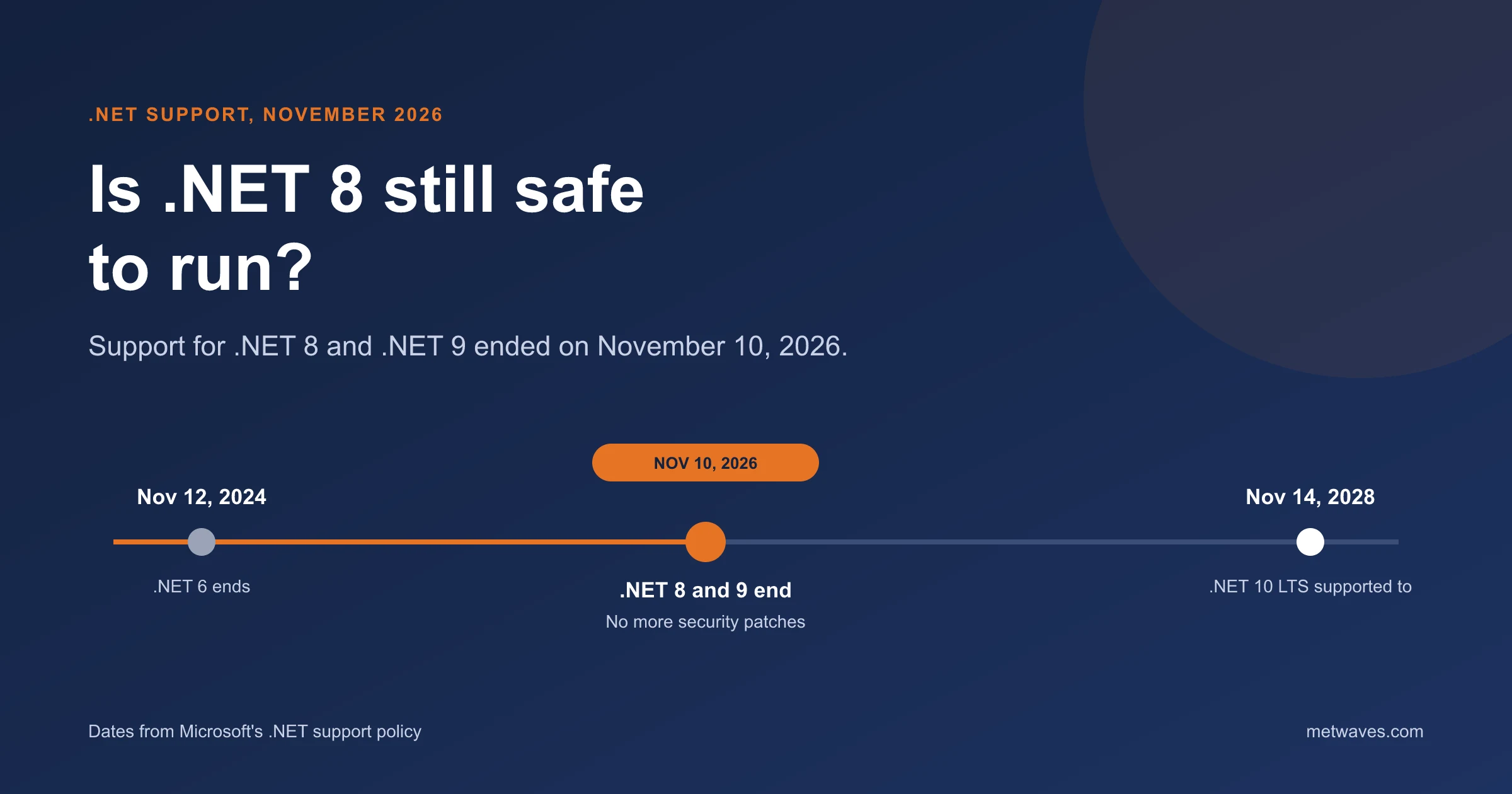
Is .NET 8 Still Safe to Run After November 2026?

Support for .NET 8 and .NET 9 ended on November 10, 2026. What that means for apps still on them, how risky it is, and how to plan the move to .NET 10.

Learn More >
Microsoft Technologies 5 min read
Nikit Nandan    Nikit Nandan November 12, 2026
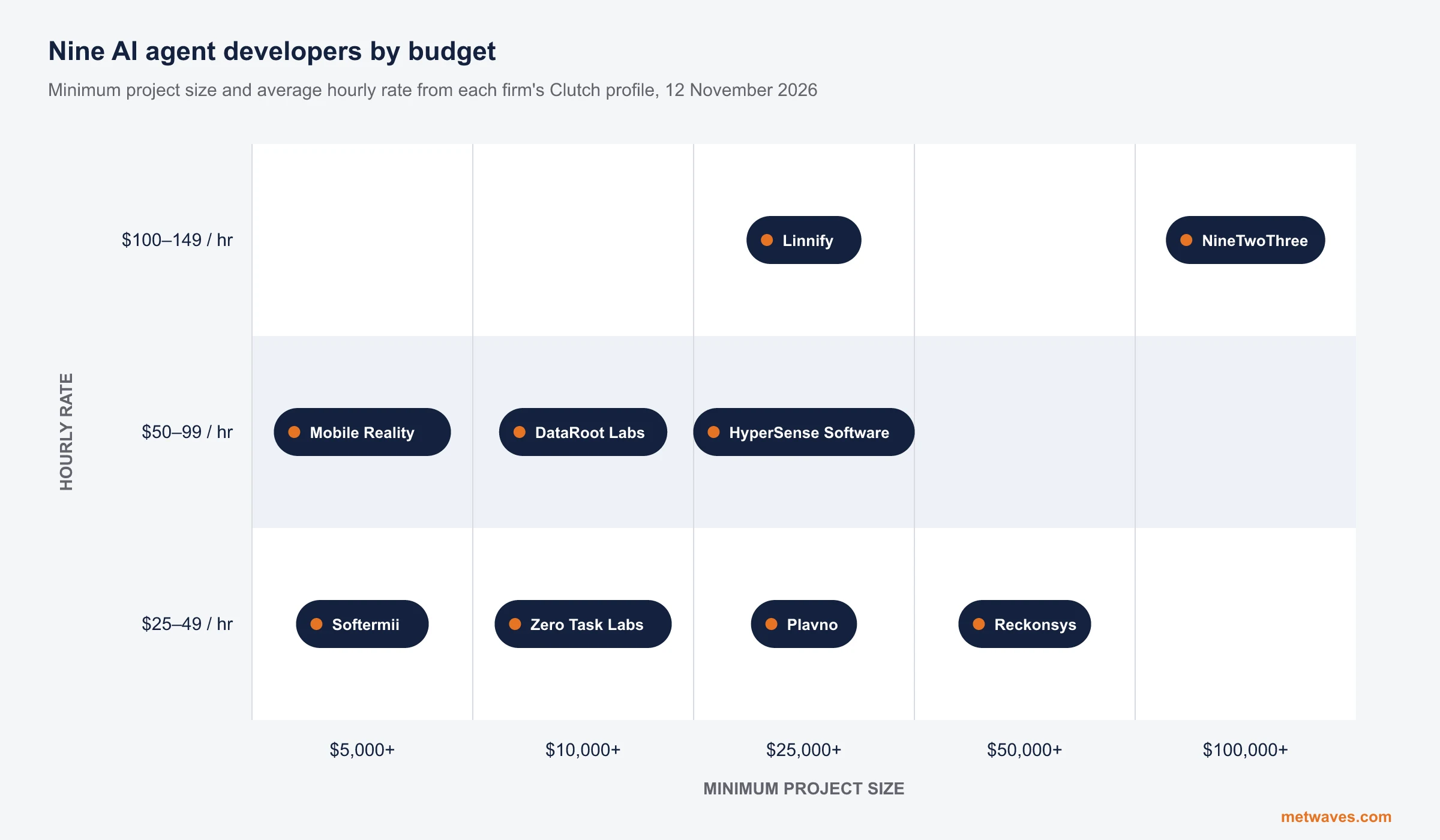
Top AI agent development companies for small and mid-sized businesses (2026)

Nine AI agent development firms a small or mid-sized business can shortlist, with Clutch figures, minimum budgets and the weaknesses their own clients name. Published by Metwaves, which is not ranked.

Learn More >
AI Development 9 min read
Nikit Nandan    Nikit Nandan November 12, 2026
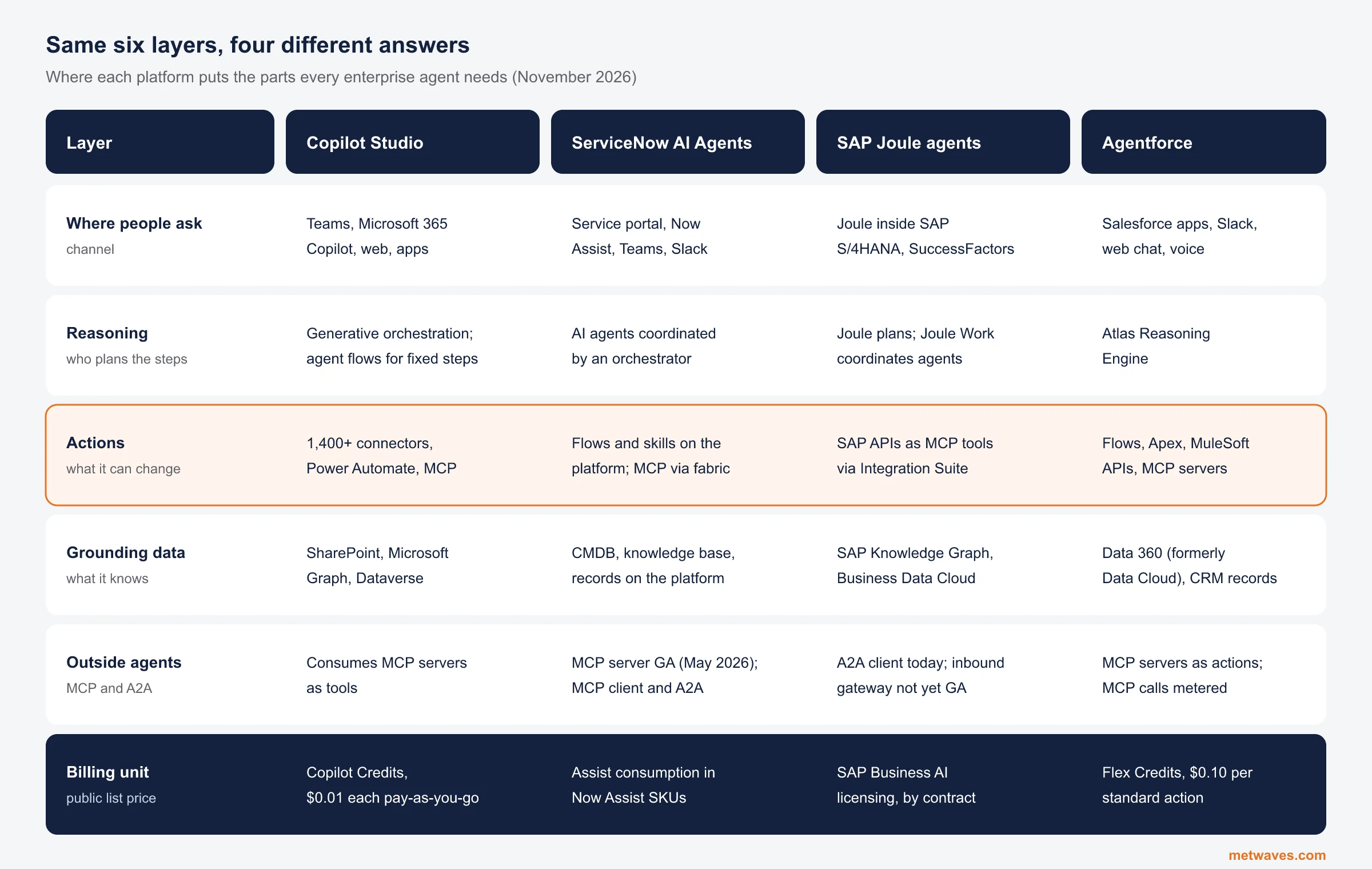
Enterprise AI Agent Platforms Compared (2026)

An architecture review of the four big enterprise AI agent platforms: where each one reasons, acts, finds its data and connects to outside agents, what it costs, and when a custom build is the better choice.

Learn More >
AI Development 9 min read

Let’s build your idea!

Let us help you with free analysis & estimate. Our product expert will contact you within 12 hours.

 All your information is kept confidential and protected by NDA.