OTT App Development for Media Companies

Streaming apps on phones, web and TV, built on a video platform you choose and a subscription model you control. We help publishers, broadcasters, niche networks and course creators in the US, UK, Canada and Australia plan OTT app development, subscriptions and the integrations behind them.

Video calling apps on five platforms for a telecom provider · A real-time platform for 10,000 concurrent users · No streaming app shipped yet, and we say so

THE MEDIA INDUSTRY

What the media industry is, and how it earns online

The media and entertainment industry is every organisation that makes, licenses or distributes what people watch, read and listen to: broadcasters, studios and producers, publishers, streaming services, sports and faith networks, and a growing number of creators and course businesses that sell video straight to their audience.

Online, it earns money in three main ways: subscriptions (SVOD), advertising (AVOD and free ad-supported channels) and one-off rentals or purchases (TVOD), often mixed in one service. Rights decide the rest. A licence sets which countries, devices and dates each title can appear in, and often whether it must be protected with DRM.

Viewing has moved to the TV set through apps. That is why OTT app development, building apps that deliver video over the internet rather than through cable or satellite, now means building for phones, the web and half a dozen TV platforms at once, on top of a video platform you mostly buy rather than build.

49.6%of US TV viewing time was streaming in August 2026Nielsen, The Gauge, October 2026
70%of UK households had a subscription streaming service in early 2026Ofcom, Media Nations 2026
18 million+people in the UK have a disability affecting sight or hearing, the audience for new streaming access rulesOfcom, May 2026

Broadcasters

TV and radio groups taking their channels online

  • Live streams
  • Catch-up apps
  • Ad insertion

Publishers

News, magazine and digital publishers adding video

  • Video hubs
  • Paywalls
  • Clips

Streaming services

Subscription and free ad-supported services

  • Multi-screen apps
  • Entitlements
  • Recommendations

Niche networks

Sports, faith, children's and special-interest channels

  • Live events
  • Pay-per-view
  • Memberships

Creators and course businesses

Selling video direct to members or students

  • Member apps
  • Payments
  • Course libraries

CHALLENGES

The challenges media companies face online

Six problems publishers, broadcasters and creators describe when they move video to their own apps, in their words, and where software helps.

01

“Our audience watches us on YouTube and social, and we own none of the relationship.”

Where software helps: an app and account system you own, with sign-ups, viewing history and subscriptions in your own database.

02

“Our white-label app looks like everyone else's and cannot run our bundles.”

Where software helps: custom apps or a custom entitlement service on the same video platform, so the business model is yours.

03

“Every TV platform needs its own app, and our vendor supports two.”

Where software helps: shared code where the platforms allow it, and separate builds and store submissions where they do not.

04

“App-store rules and fees complicate our subscriptions.”

Where software helps: one entitlement service that accepts purchases from the web, Apple and Google, so a subscriber is recognised on every screen.

05

“Viewers drop off when video buffers on weak connections.”

Where software helps: adaptive bitrate streaming (HLS or DASH), a sensible ladder of video qualities, and playback tests on slow networks before launch.

06

“We cannot see who watches what across devices, or whether it pays.”

Where software helps: the same viewing events from every player into one reporting store, joined to subscription and ad revenue.

How AI can help media companies, and where an editor decides

AI is most useful on the slow, repetitive work around a video: captions, tags, clips and moderation. Each use below shows where a person stays in charge and how much regulation applies.

UseWhat it doesWhere a person stays in chargeHow much regulation applies
Captions and subtitlesSpeech-to-text drafts captions and translated subtitles for every title.An editor checks timing and accuracy before publishing.Medium. Ofcom's draft code says poor-quality access features will not count towards UK quotas.
Metadata and taggingTags people, topics and scenes, and drafts descriptions and thumbnails.Editors approve what viewers see.Low, but check rights for any image or clip used.
Recommendations and searchSuggests what to watch next and makes search forgive typos and vague queries.The editorial team sets rules and pins promoted rows.Medium. Profiling children is restricted under the UK Children's code, and sharing viewing history can trigger the US Video Privacy Protection Act.
Clips and highlightsFinds key moments in long programmes and cuts short clips for social and the app.A producer picks and publishes each clip.Medium. In the US, clips of programmes shown on TV with captions must be captioned on your own site or app.
Audio description draftsDrafts description scripts for the gaps in dialogue, read by a synthetic voice or a person.A describer edits and approves every script.Medium. Quality counts towards UK accessibility quotas, so review matters.
Moderation of comments and uploadsFlags harmful posts, chat messages and uploads for review.Moderators decide removals and appeals.High. If users can post or chat, the UK Online Safety Act's illegal content duties apply.

RULES AND THEIR STATUS

The rules streaming software has to respect, and what is in force

Media rules are changing fast, so status matters as much as the rule. Filter by market to see what applies today, what is phasing in and what is still in draft.

  • US

    FCC online captioning rules (CVAA)

    In forceFull programmes since 2012 to 2013; clips since 2016 to 2017

    Video shown on US TV with captions must be captioned when it is shown online, clips included. Programmes shown only online are not covered.

    For the buildA player that shows captions and keeps the viewer's caption settings; caption files carried through from the video platform to every app.

  • US

    Caption display settings rule

    In forceCompliance date August 17, 2026

    Device makers and pay-TV providers must make caption display settings readily accessible, judged on proximity, discoverability, previewability, consistency and persistence.

    For the buildPut caption settings one step from playback and remember them across sessions, the same test your app will be held to by viewers.

  • US

    Video Privacy Protection Act

    Before the courtsSupreme Court argued October 14, 2026

    A provider of prerecorded video may not knowingly disclose what a person watched without informed, written consent given separately. Damages start at $2,500 per person. The Supreme Court is deciding who counts as a “consumer” in Salazar v. Paramount Global, a case about a tracking tool on a video page.

    For the buildNo third-party tracking pixels on watch pages without that separate consent; viewing records deleted within a year of no longer being needed.

  • US

    COPPA Rule (amended 2025)

    In forceCompliance date April 22, 2026

    Services aimed at children under 13 need verifiable parental consent, plus separate consent before sharing data with third parties, including for targeted ads. In 2025 Disney agreed to pay $10 million after the FTC said child-directed videos were not labelled “Made for Kids” on YouTube.

    For the buildA children's profile mode without third-party ads or tracking, a written retention policy and a written security programme.

  • US

    DMCA section 512

    In forceSince 1998

    Services that host user content get a safe harbour from copyright claims if they designate an agent with the Copyright Office through its online system and act on notices.

    For the buildA takedown workflow, an agent contact page and records of every notice.

  • UK

    Online Safety Act 2023

    Phasing inIllegal content duties from March 17, 2025; children's codes from July 25, 2025; more to come

    Applies to services where users can post, comment, chat or upload. Ofcom's codes set out the steps, and categorised services face extra duties still being phased in.

    For the buildRisk assessments, reporting tools, moderation, and age checks where children could meet harmful content.

  • UK

    Media Act 2024: Tier 1 streaming services

    DraftOfcom consulted until August 7, 2026; final codes expected later in 2026

    Streaming services with more than 500,000 UK users come under an Ofcom content standards code and an accessibility code. The draft asks for at least 80% subtitled, 10% audio described and 5% signed.

    For the buildSubtitle, audio description and sign language tracks in every player, and reporting on their quality.

  • UK

    Ofcom on-demand programme service rules

    In forceIn force for all UK on-demand services

    Every UK on-demand service follows Ofcom's existing rules, including protecting under-18s from harmful material. Tier 1 rules sit on top.

    For the buildAge ratings, content information and parental controls.

  • CA

    Online Streaming Act

    Phasing inRoyal assent April 27, 2023; CRTC rules still arriving

    Brings online streaming services under the Broadcasting Act and the CRTC. Online services have paid a 5% base contribution on Canadian revenues since a 2024 decision; a May 2026 decision sets 15% in total for those above $25 million.

    For the buildRevenue reporting by country, and showing Canadian content where the CRTC expects it to be easy to find.

  • AU

    Online Safety Act 2021 and industry codes

    In forceAge-restricted material codes in effect December 27, 2025 and March 9, 2026

    eSafety's codes cover unlawful material and material unsuitable for children across apps, websites and other designated internet services.

    For the buildAge assurance and content controls matched to your service type and the code that covers it.

  • AU

    Australian content requirement for streaming

    In forceNow in effect, administered by ACMA

    Services with at least one million Australian subscribers invest at least 10% of their Australian programme spend, or 7.5% of Australian revenue, in new local content. Services with 250,000 to one million must notify ACMA.

    For the buildSubscriber and revenue reporting by country, and local content easy to find.

  • AU

    Children's Online Privacy Code

    DraftMust be registered by December 10, 2026

    The OAIC's code will apply to online services likely to be accessed by children, and its examples include streaming platforms.

    For the buildPrivacy-protective defaults for child users, ready before the code starts.

Status as of November 2026. A summary for planning, not legal advice.

SIDE BY SIDE

Streaming rules in the US, UK, Canada and Australia

Every market asks the same four things of a streaming app in its own words: make it accessible, protect viewing data, protect children, and know which rules your size of service triggers.

RequirementUSUnited StatesUKUnited KingdomCACanadaAUAustralia
Main lawsCVAA captioning rules, VPPA, COPPA, DMCACommunications Act 2003 (on-demand services), Media Act 2024, Online Safety Act 2023, UK GDPRBroadcasting Act as amended by the Online Streaming Act 2023, PIPEDAOnline Safety Act 2021, Privacy Act 1988, the Australian content requirement for streaming
RegulatorsFCC (captions), FTC (children's privacy), Copyright Office (DMCA agents)Ofcom (on-demand and online safety), ICO (data)CRTC (streaming), Office of the Privacy CommissionerACMA (content requirement), eSafety Commissioner, OAIC (privacy)
Captions and accessOnline captions for programmes shown on TV with captionsTier 1 draft: 80% subtitles, 10% audio description, 5% signingOntario's AODA: WCAG 2.0 AA websites for organisations with 50 or more employeesDisability Discrimination Act 1992
Viewing dataVPPA: separate written consent to share what someone watchedUK GDPR, and consent for non-essential cookies and trackingPIPEDA, or the private-sector laws of Alberta, British Columbia and QuebecPrivacy Act 1988 and the Australian Privacy Principles
ChildrenCOPPA for under-13s; amended rule applies from April 22, 2026ICO Children's code; Online Safety Act children's codes if users can postPIPEDA and provincial privacy lawsChildren's Online Privacy Code due by December 10, 2026; eSafety codes
Local contentNone at federal levelNone in force; the Tier 1 standards code is in draft5% base contribution since 2024; 15% in total under a May 2026 CRTC decision (over $25 million)10% of programme spend or 7.5% of revenue (one million subscribers or more)

A summary for planning, not legal advice. Confirm the details for your service with your legal adviser.

That is the industry. Here is where Metwaves fits: media companies that want their own streaming apps on a video platform they buy, with the business model in code they own.

OUR WORK

Work from other industries that transfers to streaming

Each project below is labelled with its real industry. None of it is media work, and we do not present it as such.

We have not shipped a streaming app yet. This page is about how it is done and what it costs to run.

Telecom · Fiberpipe

Voice and video calling apps on five platforms

Web, iOS, Android, Windows and macOS apps for a fibre and VoIP provider, with SRTP and ZRTP encryption and call settings that adjust to network conditions in real time.

What carries overShipping one product to many platforms at once, and real-time media that holds up on poor networks.

Read the VoIP case study >

Fintech · TradeAlert

A real-time platform for up to 10,000 concurrent users

A stock and crypto alert platform on AWS with load balancing and automatic scaling, so capacity follows traffic.

What carries overLive events bring the same sudden spikes: sign-ins, entitlement checks and chat at kick-off.

Read the TradeAlert case study >

Our blog

Personalised search and recommendations

How collaborative, content-based and hybrid recommendation engines cut search fatigue, with streaming among the examples.

What carries overThe thinking behind “what to watch next” and search that forgives vague queries.

Read the post >

OTT APP DEVELOPMENT COMPANY

Every screen is another app: what OTT app development covers

A viewer who starts on a phone and finishes on the TV has used two apps, often built with different tools. This is what each screen involves.

iPhone and iPad

Built with
Swift, or a cross-platform framework shared with Android
Reaches viewers through
The App Store, after Apple's review

Apple's in-app purchase rules shape how subscriptions are sold.

Android phones and tablets

Built with
Kotlin, or the same cross-platform code as iOS
Reaches viewers through
Google Play, after Google's review

Many device sizes and older versions to test.

Web

Built with
A browser player library with HLS or DASH
Reaches viewers through
Your own website, with no store between you and the viewer

Usually the cheapest place to sell subscriptions.

Apple TV

Built with
tvOS, close to the iOS code
Reaches viewers through
The App Store

Remote-control focus and a 10-foot layout replace touch.

Google TV and Android TV

Built with
Android, with TV layouts and D-pad focus
Reaches viewers through
Google Play

Also covers many smart TVs and set-top boxes that run Android TV.

Fire TV

Built with
Fire OS (Android based), or Vega OS with React Native or web technologies
Reaches viewers through
Amazon Appstore

Amazon launched Vega OS in 2025; Fire OS devices remain in use.

Roku

Built with
Roku's SceneGraph framework and BrightScript language
Reaches viewers through
The Roku channel store, after certification

Its own language, so little code is shared with other platforms.

Samsung TVs

Built with
Tizen web apps (HTML, CSS, JavaScript) or .NET
Reaches viewers through
Samsung's TV app store, after review

Web skills carry over, but each TV model year needs testing.

LG TVs

Built with
webOS web apps, packaged or hosted
Reaches viewers through
LG's TV app store, after review

Close to Samsung's approach, with its own APIs and test devices.

Store rules, review times and supported versions change often. We check them for each platform at discovery.

How a video reaches a viewer

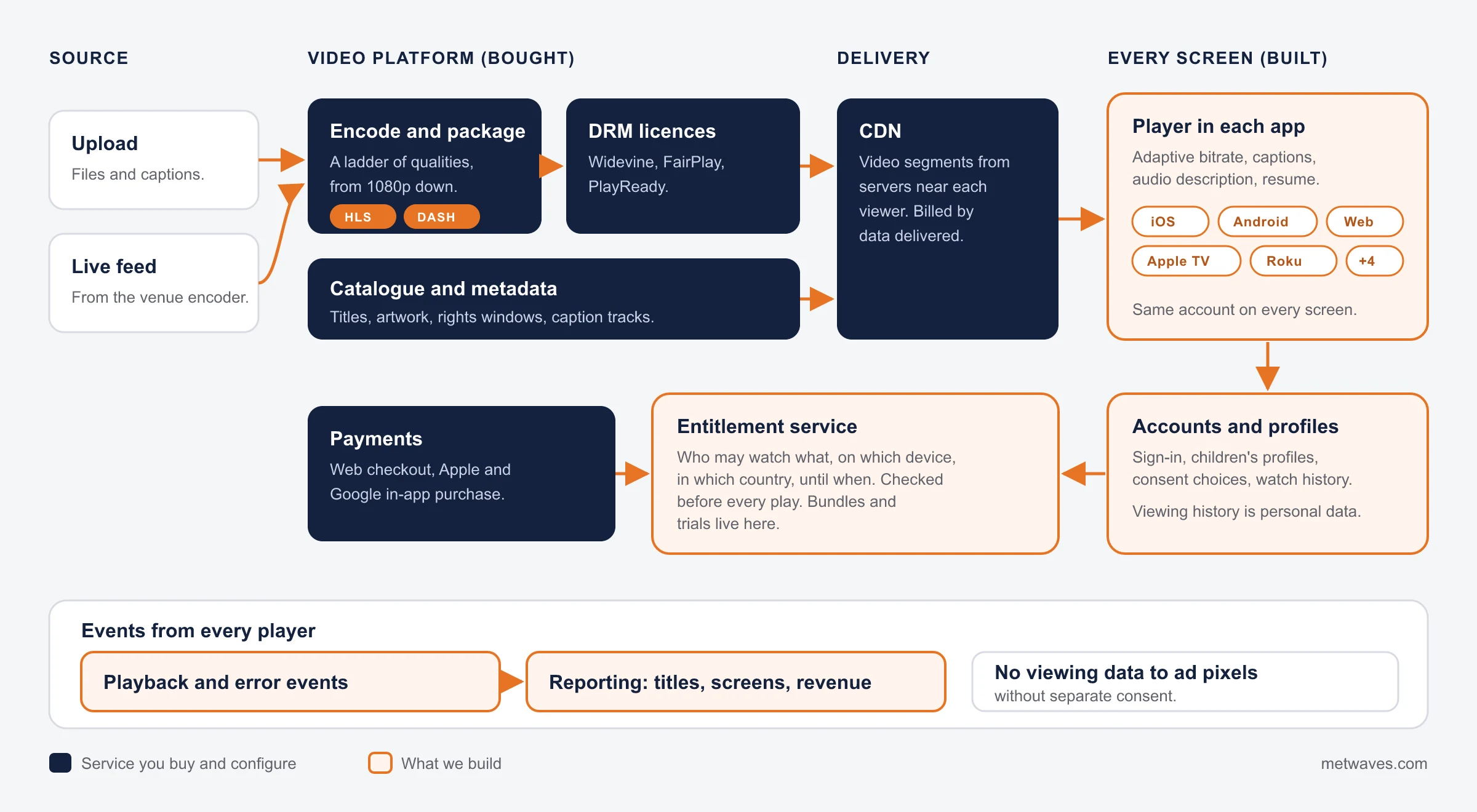
Most of the video chain is bought and configured, not built. The work that sets you apart is the apps, the subscription logic and the reporting.

How a video reaches a viewer: a file or live feed is encoded and packaged into HLS and DASH on a video platform, protected with Widevine, FairPlay or PlayReady DRM, and delivered by a CDN; each app's player checks the viewer's entitlement with the subscription service before playing; app-store and web payments feed the same entitlements; playback events flow to analytics and reporting. Bought services and the parts you build are marked
  • Service you buy
  • What we build
Navy boxes are services you buy and configure. Orange boxes are what we build. Viewing records are personal data in every market.

Build, buy or extend: what usually fits

Most media companies should not build their own video platform. The useful question is which part of the viewer's experience a bought product cannot handle.

If you…What usually fitsWhy
A small library, one simple subscription, phone and web firstA white-label OTT productFaster to launch and cheaper to run. We will tell you so on the first call.
You need TV apps your vendor does not supportCustom TV apps on the same video platformKeep the platform and catalogue; add only the screens your viewers use.
Bundles, live and on-demand mixed, or your own ad rulesCustom apps and an entitlement service on a bought video platformThe business model lives in your code, and video delivery stays with a specialist.
You want to run your own encoding and deliveryBuy it from a video platform and CDN insteadIt rarely pays to rebuild what those services already run at scale, except for very large audiences.
Viewing and revenue data sit in five toolsReporting firstKnowing which titles and screens earn money tells you what to build next.

What sets the cost of a streaming service

The number of screens sets the build cost; hours watched set the running cost. These six drivers move the price most.

high impact

Number of screens

Each TV platform is another app to build, test, certify and keep current with its operating system.

high impact

Live as well as on-demand

Live adds encoders, delay targets and load tests for the moment an event starts.

high impact

Monthly platform and CDN bills

Grow with hours watched, not with subscribers, so a hit show costs more to deliver.

medium impact

DRM

Licences for each DRM system, plus player integration and testing on every device.

medium impact

Subscriptions and app-store billing

Web, Apple and Google purchases recognised in one entitlement service.

medium impact

Ads and recommendations

Ad insertion and measurement, and recommendation logic, each add a service to build and run.

We quote after discovery, with video platform, CDN, DRM and store fees listed separately.

How we would start

Start with the screens your viewers already use, and add the rest once the first release is earning.

  1. 1

    Audience and devices

    Where your viewers watch today, from your own analytics.

  2. 2

    Platform and payments

    Choose the video platform and the mix of SVOD, AVOD and TVOD.

  3. 3

    Discovery

    Rights and DRM needs, a platform shortlist and a costed plan with running costs.

  4. 4

    First release

    The two screens with most viewers, plus the web.

  5. 5

    Playback testing

    Weak networks, captions, accessibility and store review.

  6. 6

    Add TV platforms

    One at a time, with monitoring and support.

How to choose an OTT app development company

Ask these five questions of anyone you shortlist, us included. Where we will not win: if you need a team that has already launched a streaming service, we have not.

Question to askA good answerA warning sign
Which TV platforms have you shipped apps to?Named apps you can install, or a straight “not yet”.Screenshots from someone else's product.
Who owns the app-store accounts, code and viewer data?You do, from the first release.Apps published under the agency's developer account.
How do you test playback on weak networks?Throttled-network tests on real devices before every release.Testing on office Wi-Fi only.
What will the video platform and CDN cost each month at our audience size?A running-cost estimate before the build starts.A build price and nothing else.
Would you tell us to buy a white-label product instead?Yes, when it fits.Custom is always the answer.

Related services

Engagement models and technology choices are on each service page.

Mobile app developmentiOS and Android apps for viewers.
Cross-platform app developmentOne codebase across phones and some TV platforms.
Web application developmentWeb players, accounts and subscription flows.
Software integrationVideo platforms, payments, CRM and analytics connected.
AWSHosting, scaling and media services on AWS.

QUESTIONS & ANSWERS

OTT app development: frequently asked questions

Straight answers on cost, white-label products, devices, DRM, captions and the laws that apply. If you don't see an answer to your question, you can send us a message from our contact form.

It depends most on the number of screens, whether you stream live, DRM, how subscriptions are sold and whether you run ads. Monthly video platform and CDN bills matter as much as the build, because they grow with hours watched. We price after a short discovery and list running costs separately.

Use a white-label product if your library is small, the subscription is simple and its supported screens match your audience. Build custom apps on a bought video platform when bundles, live events, your own ad rules or missing TV platforms make the white-label product the constraint.

The two screens most of your viewers already use, plus the web, where subscriptions are cheapest to sell. Add TV platforms one at a time after that, starting with the one your analytics shows next.

If your content licences require it, yes, and most premium licences do. That usually means Widevine, FairPlay and PlayReady, so every device family is covered. Your own content may need only signed URLs and sign-in.

In the US, programmes shown on TV with captions must be captioned when shown online, and so must clips of them. In the UK, Ofcom's draft code asks larger streaming services to subtitle at least 80% of their catalogue. Captions are also how many viewers watch with the sound off, so we build them in from the start.

It is a 1988 US law that stops a video provider disclosing what a person watched without separate, informed consent, with damages from $2,500 per person. Tracking tools that send viewing data to ad platforms have drawn lawsuits, and the Supreme Court heard a case on its scope in October 2026. Keep third-party pixels off watch pages unless viewers have consented.

In the UK, the Online Safety Act applies if users can post, comment, chat or upload; on-demand programmes themselves fall under Ofcom's on-demand rules and, for large services, the Media Act. In Australia, eSafety's industry codes cover apps and websites, and the OAIC's children's privacy code is due by December 10, 2026.

Not yet, and we say so plainly. We have built voice and video calling apps on five platforms for a telecom provider and a real-time platform for up to 10,000 concurrent users. If you need a team that has already launched a streaming service, choose one that has.

INSIGHTS & NEWS

Discover IT Industry Insights and Technology Trends

Nikit Nandan    Nikit Nandan November 17, 2026
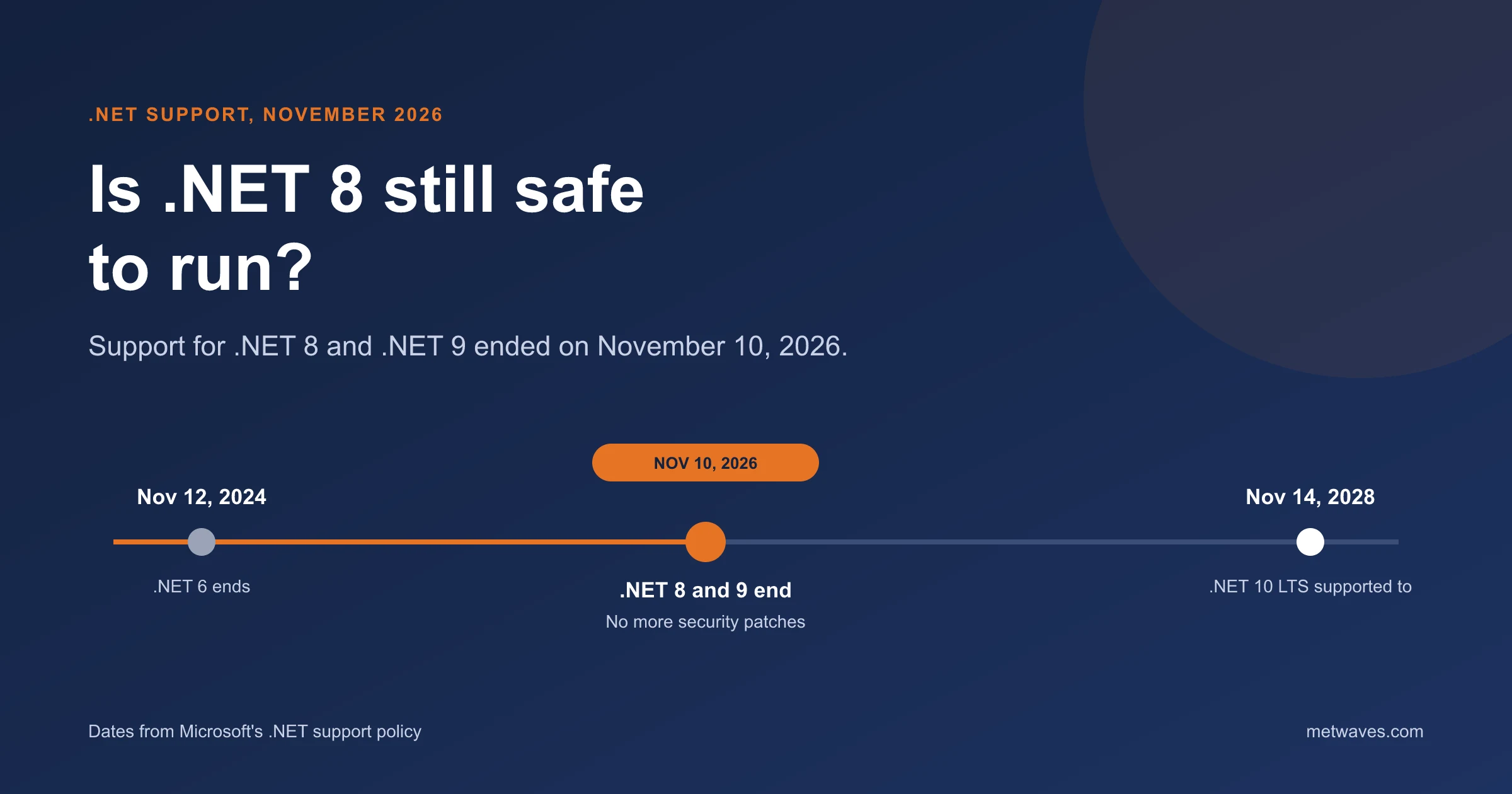
Is .NET 8 Still Safe to Run After November 2026?

Support for .NET 8 and .NET 9 ended on November 10, 2026. What that means for apps still on them, how risky it is, and how to plan the move to .NET 10.

Learn More >
Microsoft Technologies 5 min read
Nikit Nandan    Nikit Nandan November 12, 2026
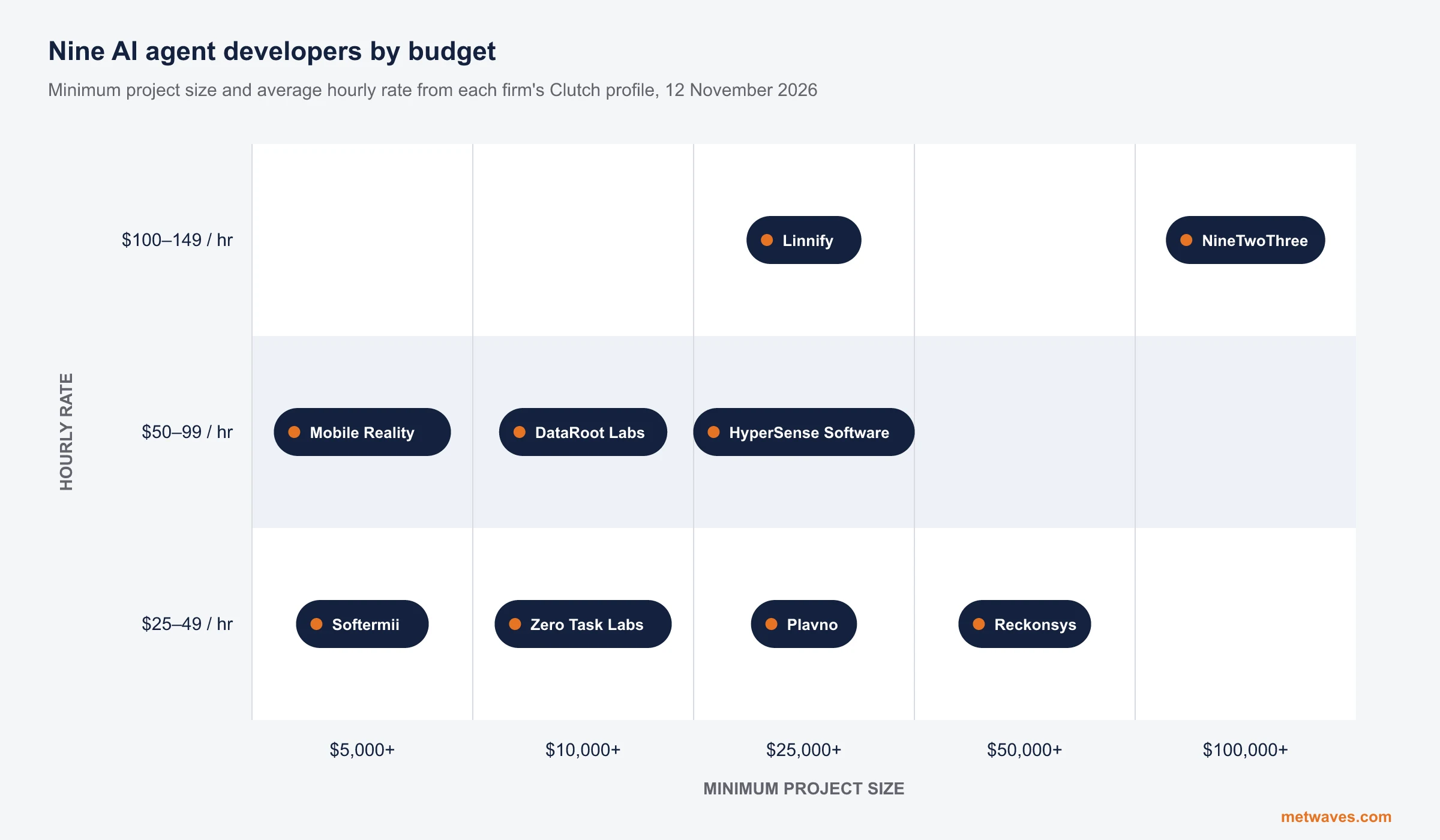
Top AI agent development companies for small and mid-sized businesses (2026)

Nine AI agent development firms a small or mid-sized business can shortlist, with Clutch figures, minimum budgets and the weaknesses their own clients name. Published by Metwaves, which is not ranked.

Learn More >
AI Development 9 min read
Nikit Nandan    Nikit Nandan November 12, 2026
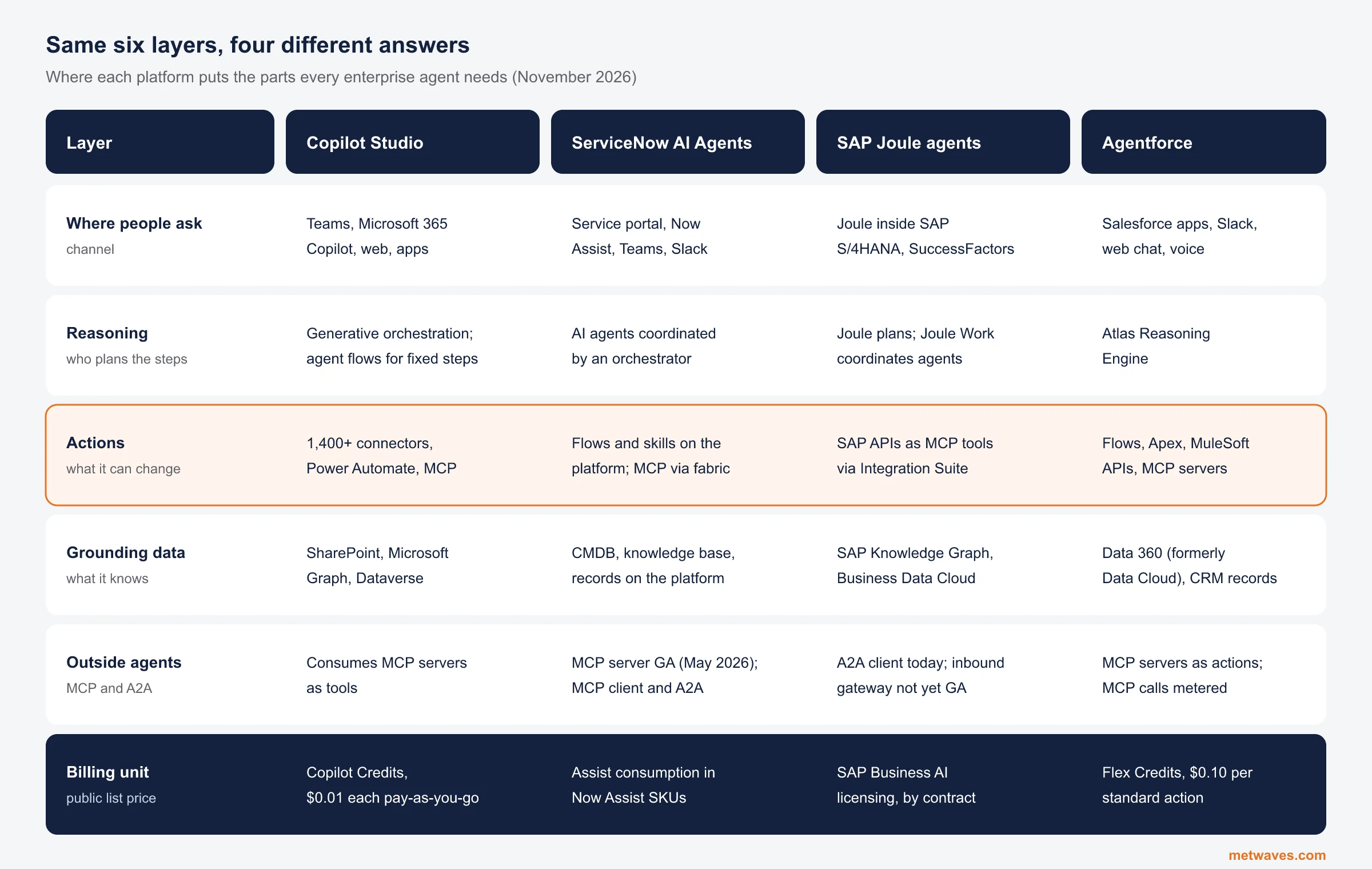
Enterprise AI Agent Platforms Compared (2026)

An architecture review of the four big enterprise AI agent platforms: where each one reasons, acts, finds its data and connects to outside agents, what it costs, and when a custom build is the better choice.

Learn More >
AI Development 9 min read

Let’s build your idea!

Let us help you with free analysis & estimate. Our product expert will contact you within 12 hours.

 All your information is kept confidential and protected by NDA.